

Wildfires have left their mark across Oklahoma and amid the devastation, property owners with septic or aerobic systems may need to take steps to ensure their wastewater systems remain safe and functional.
Key Steps for Post-Wildfire Septic System Protection:
- Inspect for Visible Damage – Start by assessing the visible components of your system: look for signs of damage to the tank lid, risers, or any exposed pipes. Check the drain field for erosion, pooling water, or ash buildup. If you have an aerobic system; inspect the control panel, air compressor, and any above-ground components for burn marks, melted parts, or debris accumulation.
If you find damage, call a local septic company and avoid using the system (e.g., flushing toilets or running water) until you’re confident it’s intact. Excessive use before inspection could flood a compromised drain field or damage a malfunctioning aerobic unit.
- Assess Soil Stability – Wildfires can alter soil composition, alter absorption rates, or lead to erosion or compaction, which may affect system drainage. If you notice standing water, backups or slow drains a local septic company can evaluate your system. Re-seeding the area over the drainfield or covering with straw will help protect it from erosion when spring rains come.
- Test Electrical Components – Aerobic systems that rely on electricity should be checked for damaged wiring or malfunctioning control panels before restoring power. If power has been out for an extended period, you may need to get your aerobic tank pump to prevent damage.
- Avoid Driving Over the System – Heavy firefighting equipment may have compacted the drain field or damaged underground components, but you should avoid driving over your tank or drainfield to prevent additional damage.
- Watch for Warning Signs – Slow drainage, sewage backups, or foul odors may indicate system failure. If you notice signs of a failure you should contact your local septic company to get the system evaluated.
- Call a Professional – If any damage is detected, a certified septic expert should inspect and assess the system for repairs. You can find a list of certified companies on the Oklahoma DEQ website or by contacting your local DEQ Environmental Specialist.
- Prevent Future Damage – Maintain a brush-free space around septic components and perform regular maintenance to reduce wildfire risks. If you have an aerobic system, getting a whole-home generator or portable generate to power the system is a good idea for any extended power outages.
“Wildfires can have long-term effects on septic and aerobic systems, making inspections and maintenance critical,” said Dawn Rohrs, President at Cyclone Septics. “Taking proactive steps can prevent costly damage and ensure your system remains operational.”
About Cyclone Septics
Cyclone Septics is a leading provider of onsite wastewater solutions in Oklahoma, dedicated to education, innovation, and environmental sustainability. Founded in 2016, the company offers expert septic system installation, maintenance, and pumping services. With a strong commitment to customer education, Cyclone Septics empowers homeowners and businesses to make informed decisions about their wastewater systems. The company upholds the highest standards of environmental responsibility and actively contributes to the advancement of wastewater management through professional certifications, industry leadership, and community involvement.
About Dawn Rohrs
Dawn Rohrs, co-founder of Cyclone Septics of Guthrie, Oklahoma, is an author, speaker and chemical engineer with 20 years in the oil & gas industry and 8 years in wastewater. She is dedicated to advancing sustainable practices, industry education, and innovative solutions, while also serving in leadership roles with the Oklahoma Onsite Wastewater Association and the National Association of Wastewater Technicians.
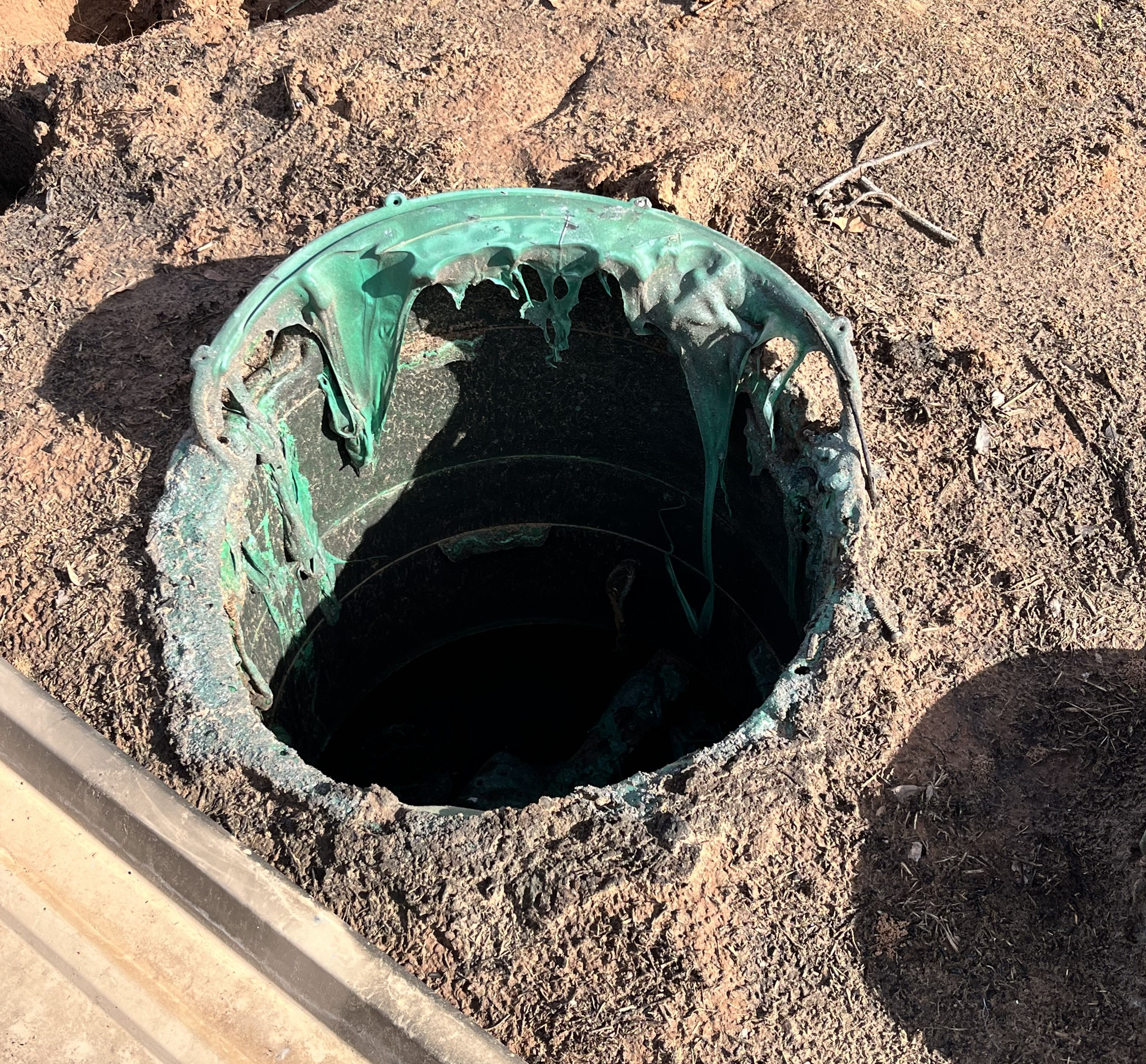
Protecting Your Septic and Aerobic Systems After a Wildfire
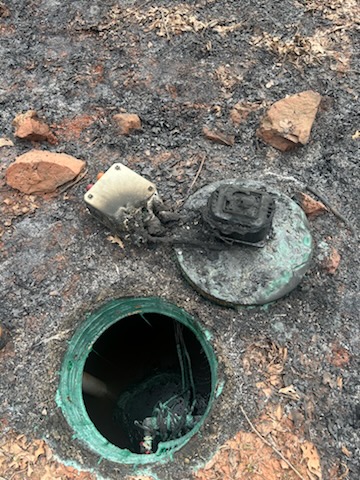
Protecting Your Septic and Aerobic Systems After a Wildfire