

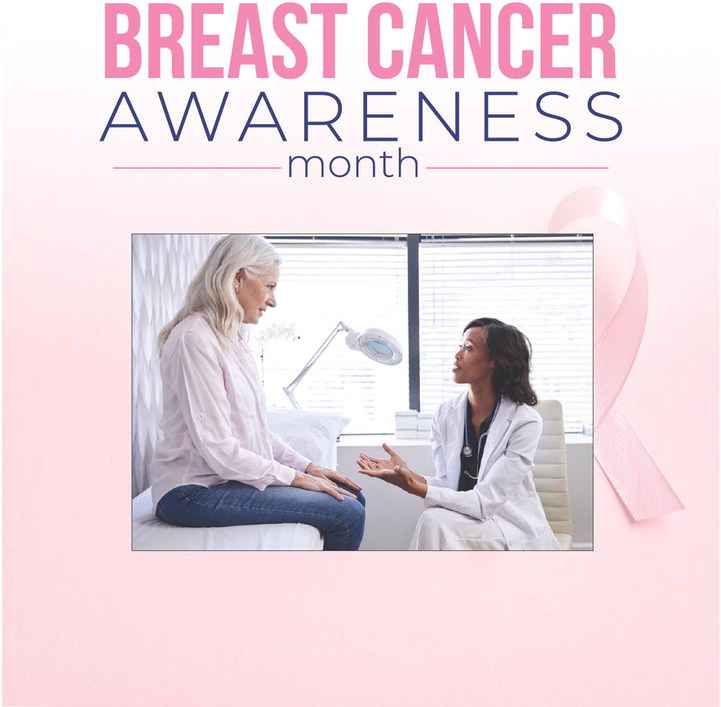
Each October, during National Breast Cancer Awareness Month (NBCAM), major breast cancer charities organize events and campaigns to raise awareness of breast cancer risks and raise funds for research into the causes, prevention, diagnosis, treatments, and cures for this all too common disease.
Originally founded in 1985 by the American Cancer Society in partnership with the pharmaceutical division of Imperial Chemical Industries (which would become AstraZeneca), the main focus of the month of October has always been to encourage all persons at risk for breast cancer to get mammograms. Early detection through mammography is still the most effective weapon in the fight against breast cancer.
Breast cancer is the most common form of cancer diagnosed in women in the U.S. after skin cancer. An American woman is diagnosed with breast cancer every 2 minutes.
The National Breast Cancer Foundation, Inc. reports that 1 in 8 women in the United States will be diagnosed with breast cancer in her lifetime. In 2022, an estimated 338,900 new cases of breast cancer will be diagnosed in American women. Of those, 287,500 will be invasive breast cancer and 51,400 will be non-invasive. 3,280 of those new cases are estimated to be here, in Oklahoma.
An estimated 580 women in Oklahoma will die from breast cancer this year. In the entire country, the estimate is 43,550 women will lose their lives this year from breast cancer.
Men get breast cancer too, and although it is rare, an estimated 2,710 American men will be diagnosed in 2022, and 530 of them will die from the disease.
According to U.S. News & World Report Oklahoma has the sixth highest death rate from cancer in all 50 states, but increasing awareness of the need for mammograms could help change that number. 65% of breast cancer cases that are diagnosed early have an excellent prognosis, with a 5-year survival rate of 99%.
According to the American Cancer Society, early detection includes doing monthly breast self-exams, and scheduling your regular clinical breast exams and mammograms. If you are under the age of 40, you may need a doctor’s referral to get a mammogram. However, if you are 40 years or older, have an abnormal symptom in your breast, or have had breast cancer before, it is not likely that you will need a referral.
Routine mammograms should be an annual practice for all women over 40, and new studies indicate that women over the age of 35 may be well advised to begin getting their mammograms.
If you need assistance in paying for a mammogram or other breast exams, there are many national charities with ways to assist. Go to: nationalbreastcancer. org/how-to-schedule-amammogram for more information.
Alt Text for Image
Alt Text for Image